Shenshi MicroSmart Co-hosts Exchange Forum with Pharmaron Circle: Focus on Continuous-Flow Synthesis, Pilot Scale-Up and Cost Competitiveness
- Share
- From
- shenshi
- publisher
- miller
- Issue Time
- Nov 17,2026
Summary
Participants discussed the global API supply chain shift toward safety and quality, continuous production of high-risk reactions, and pilot scale-up of continuous flow synthesis.While the technical feasibility is widely recognized, engineering implementation remains the main bottleneck. Systematic assessment covering reaction kinetics, pilot data and full-cost accounting is required to turn continuous flow into scalable, quantifiable industrial solutions.
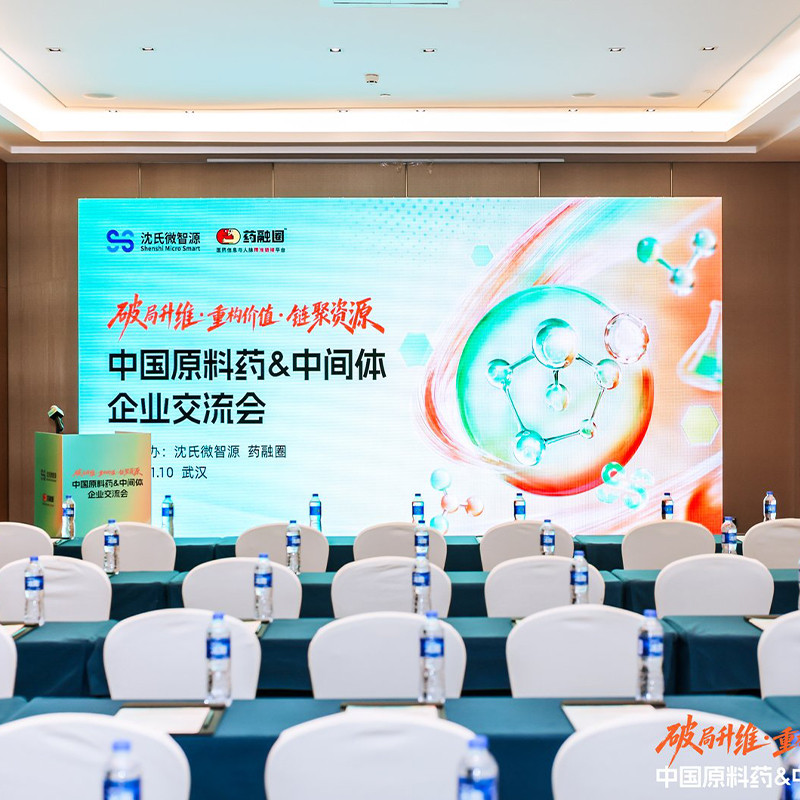
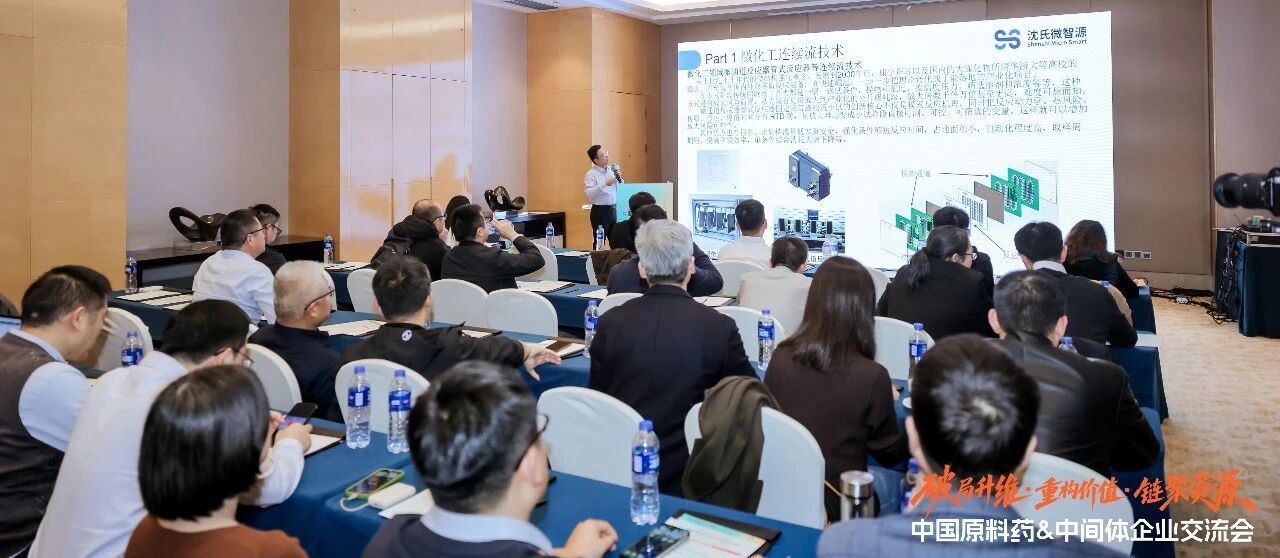
Shenshi MicroSmart and PharmaCircle Co-host Exchange Forum Focusing on Continuous Flow Synthesis, Pilot Scale-up and Cost Competition
Shenshi MicroSmart co-hosted an exchange event with Pharmaron Circle in Wuhan on Nov 10, themed Breakthrough & Upgrade, Value Restructuring, Resource Integration — Exchange Conference for China API & Intermediate Manufacturers.
Attendees from API manufacturers, universities and technical service providers discussed the global API landscape, continuous manufacturing for high-risk processes, and innovation in continuous-flow chemistry.
API Process Optimization: Focus on Safety & Production Efficiency
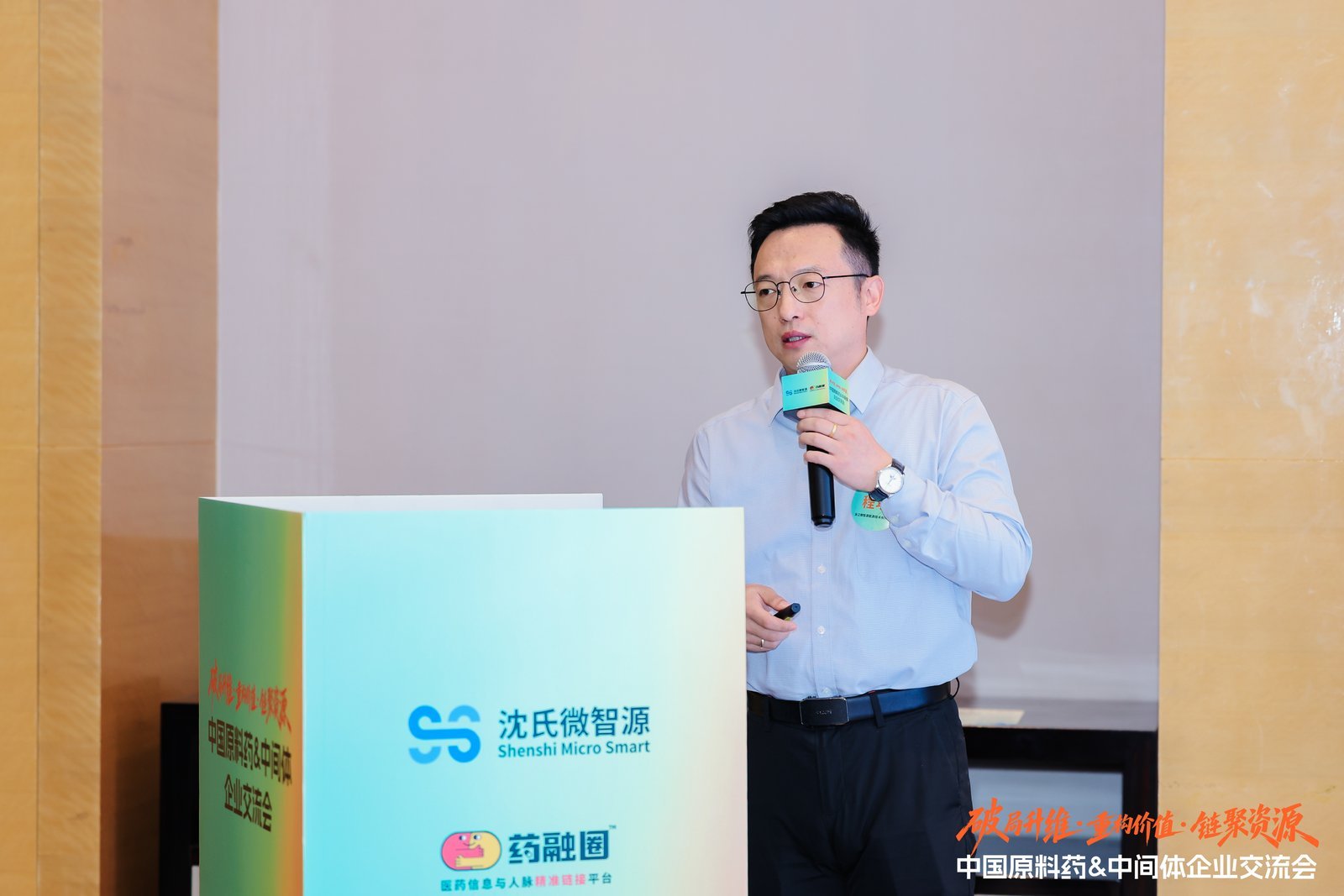
Cheng Gong (Project Director, Shenshi MicroSmart) – Pain points & practical experience scaling continuous flow from lab trials to GMP pilot production
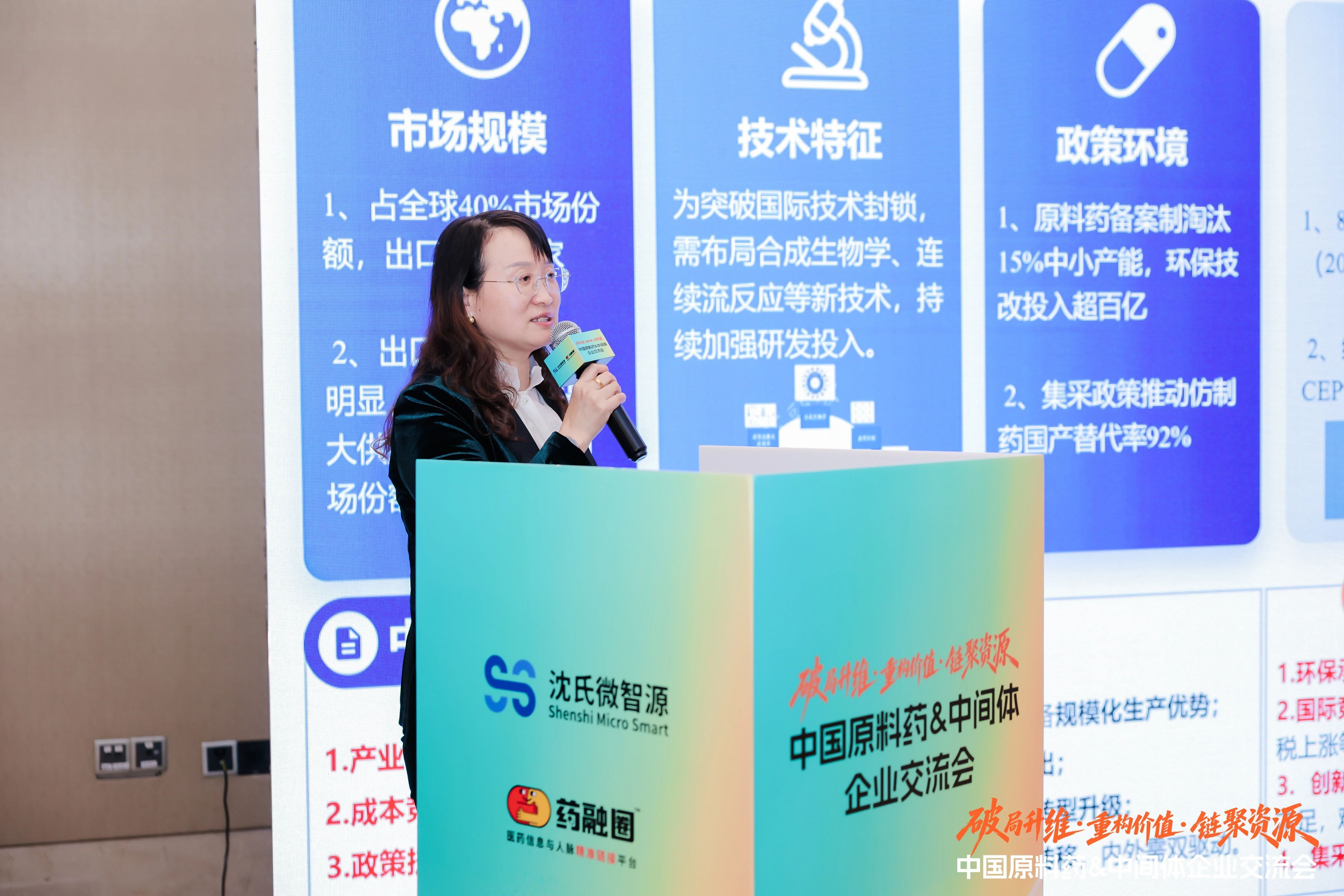
Zhu Shenghong (Deputy GM, Yangtze River Haci Biopharma) – Global API supply chain trends & practical continuous production for high-risk processes
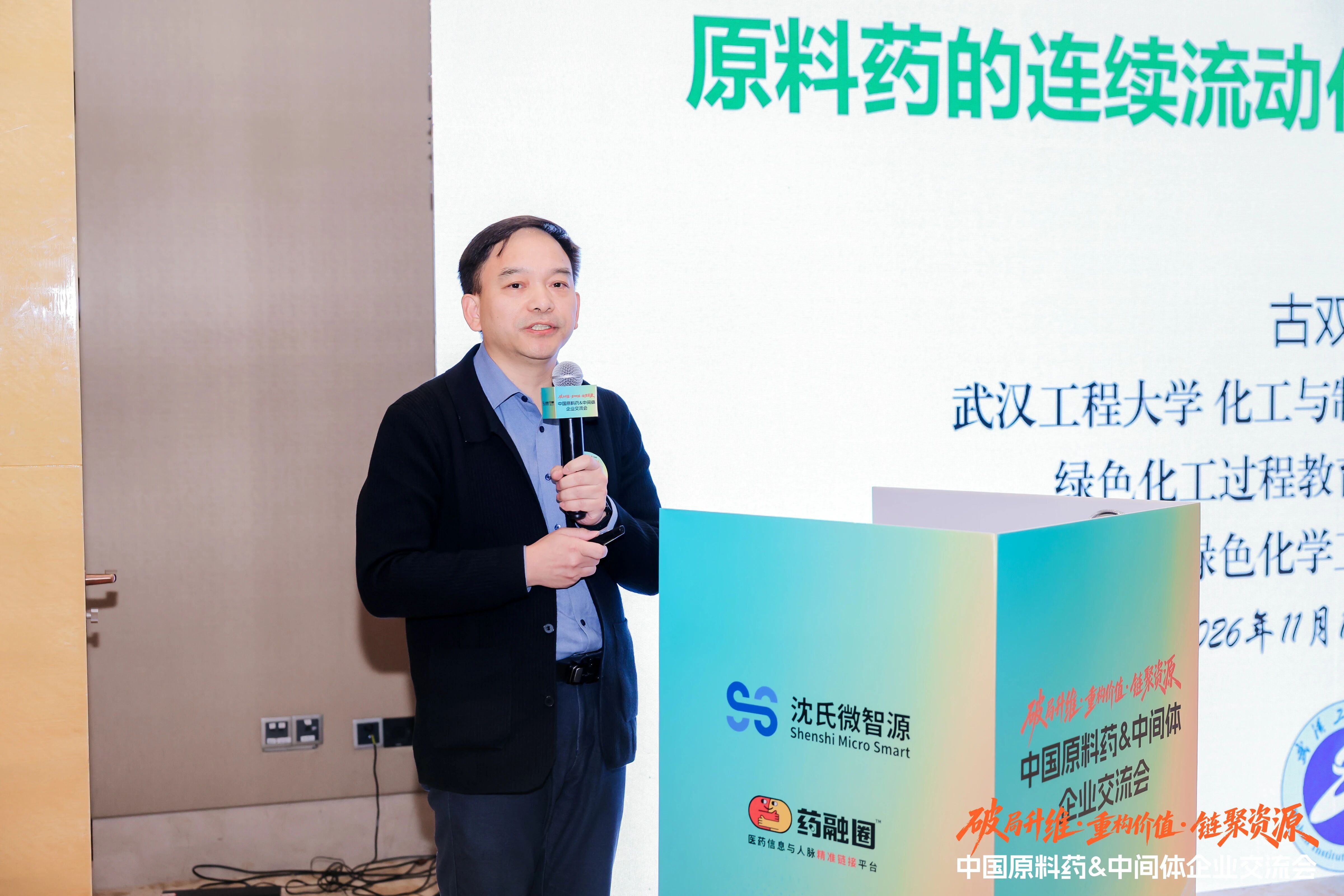
Prof. Gu Shuangxi (Wuhan Institute of Technology) – Innovative continuous-flow synthetic routes for APIs
Cost Competition: Processes Have Become a Variable
For a long time in the past, cost competition in the API sector mainly centered on raw materials, energy, labor and capacity utilization. As profit margins shrink, there is limited room to cut traditional cost items. Differences in efficiency, safety and quality brought by processes are more directly reflected in business performance. The roundtable discussion themed Where Can API Enterprises Tap for Cost Competitiveness in the Low-margin Era precisely addresses this backdrop.
The value of continuous flow technology lies beyond changes in equipment and operation modes. For certain reaction processes, equipment such as microchannel reactors and tubular reactors enable continuous feeding, mixing, reaction and heat exchange of materials. Features including low liquid holdup, high heat and mass transfer efficiency, and precise control over key parameters such as feed flow rate, reaction temperature and residence time, grant it application advantages in certain high-risk, highly exothermic and fast reaction processes.
Nevertheless, whether continuous flow can deliver actual cost benefits in specific projects requires comprehensive evaluation of reaction yield, material consumption, capital expenditure on equipment, operation and maintenance costs, and post-treatment costs. The value of transformation cannot be judged merely by the efficiency of a single reaction step.
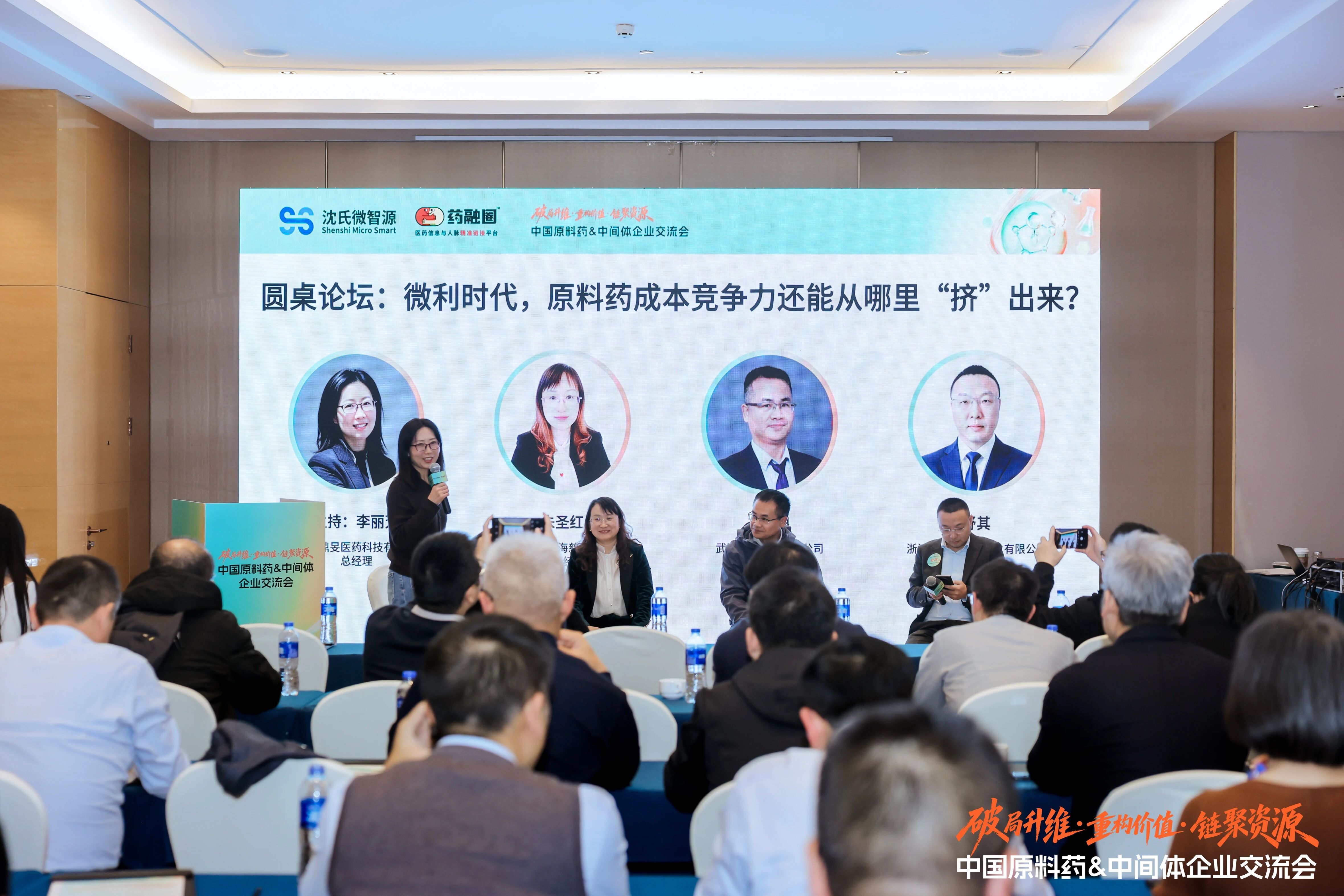
For API enterprises evaluating continuous flow technology, consensus has been reached on technical feasibility, leaving engineering implementation capability as the remaining challenge. Whether a high-risk reaction can be operated continuously depends on reaction kinetics and exothermic characteristics; reliable scale-up relies on pilot test data; and whether renovation is economically viable hinges on the comprehensive calculation covering yield, materials, equipment, operation & maintenance and post-treatment. If these three aspects are not solidly addressed, solutions tend to remain on paper.
This exchange meeting integrated discussions on market, process, engineering and cost, reflecting an industry reality: verification of standalone technology is no longer sufficient, and systematic implementation assessment has become a threshold. The progress of continuous flow adoption in the API industry largely depends on whether enterprises can convert reaction characteristics, pilot data and cost estimation into repeatable, scalable and quantifiable engineering foundations.

About Shenshi
Founded in 2005, Hangzhou Shenshi Energy Conservation Technology Co., Ltd. (SHENSHI) is a high-tech enterprise specializing in energy-efficient heat transfer and microreaction technologies. As a pioneer in low-carbon thermal management, Shenshi designs and manufactures high-performance heat exchangers and micro-reactors serving industries such as energy, marine & offshore engineering, hydrogen, pharmaceuticals, and advanced manufacturing.
With solutions deployed across more than 40 countries, Shenshi is committed to delivering reliable, efficient, and sustainable thermal technologies for demanding industrial applications.